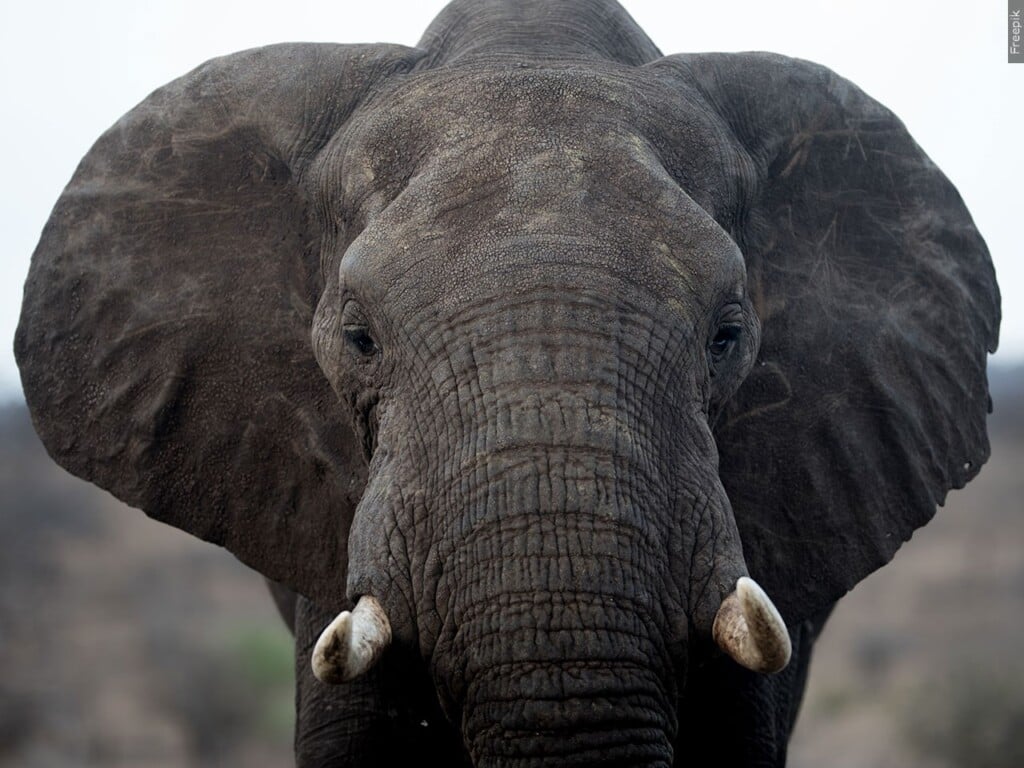
How high-tech walls are helping elephants thrive at Zoo Atlanta
Georgia Tech researchers and Zoo Atlanta are innovating technology to keep elephants healthy and sharp.
Building on this innovation, Arianna Mastali, a Georgia Tech PhD student, is developing an interactive wall that produces sounds elephants typically hear in the wild. Mastali says elephants’ keen ears can hear low-frequency sounds, and that the sounds from the wall keep them mentally stimulated.
She explains, “In the wild, they sometimes communicate through those low frequencies by being able to feel the vibrations and their feet,” Mastali said. “And that’s how they can communicate over long distances. Because of that, we wanted to avoid using any natural elephant sounds in our enrichment. And we specifically chose just basic low tones so that we weren’t interfering or potentially saying anything that could be confusing for the elephants.”
In comparison to other zoos, which have similar enrichment walls, the audio features in this one set it apart. Kirby Miller, Zoo Atlanta’s senior elephant care specialist, is working with Mastali to develop the system.
Describing how the features are tailored, Miller said, “It depends on what behavior we’re trying to elicit. So [if] we want trunk manipulation, object interaction, something sensory, so we can switch that out depending on what it is to keep it novel for them. So, that just keeps them stimulated and keeps their day really interesting.”
As a result of these efforts, the zoo says the elephants have doubled their time at the wall.
Looking ahead, Mastali said, “At this point, we are working towards taking things and removing them from the wall and using a camera with computer vision so that we don’t have to worry about wear and tear long term, or potentially elephants trying to break it. And we are in the process of trying to develop our algorithm to be more accurate in detecting whenever a trunk is present at one of these holes, so we can provide that sound enrichment to them long-term.”
Miller highlights the impact on the caretakers: “It’s been really great for us,” Miller said. “This is a type of enrichment that we can’t provide as caretakers. There’s only so much we can do. So having Arianna do that for us has been really great…”
Looking to the future, Mastali hopes the zoo’s care team can use the wall long after her research is finished.
She adds, “Over the next two years, I would say we are hoping to get something that works full-time, and we can make it so it’s usable for the animal care team to be able to use without our supervision.”
She hopes the interactive tech can be used to engage other zoo animals for years to come.