Iran’s response to U.S. peace proposal expected Friday, sources say
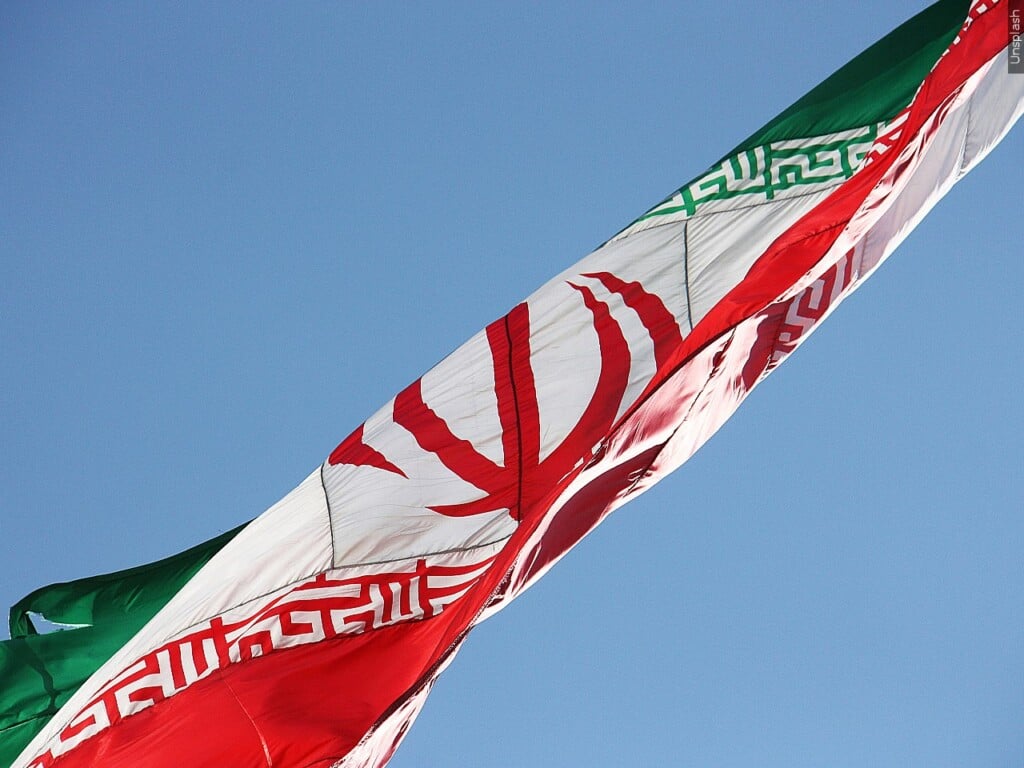
The Iranian response to the U.S.’ 15-point framework for a peace deal is expected on Friday, multiple sources familiar with the matter told CBS News.
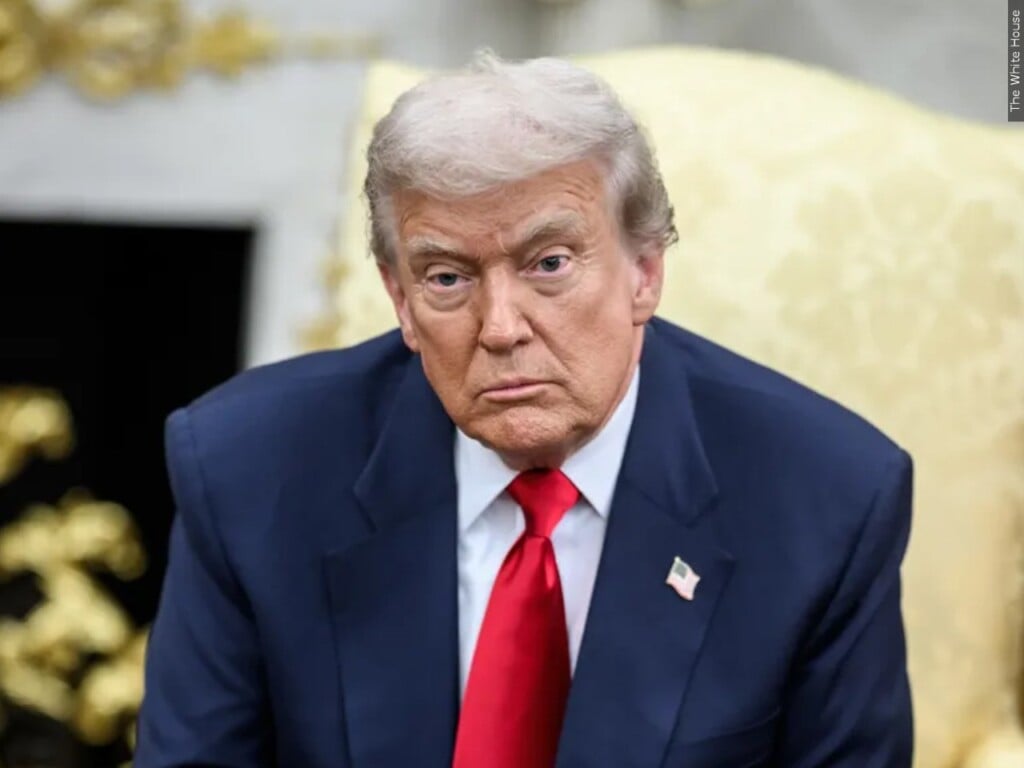
President Trump and top White House officials have been told that Iran’s counter-proposal would likely arrive Friday via interlocutors, two of the sources said. At the time of publication the response had not yet been received by intermediaries.
White House officials are cautiously hopeful that the latest negotiations are making progress, two of the sources said.
U.S. special envoy Steve Witkoff said Thursday that the administration had presented Iran, through Pakistan as an intermediary, a 15-point plan for a potential peace deal. A regional source told CBS News that Pakistan had direct contact with Iran’s security establishment that controls the country, not just the foreign ministry.
Mr. Trump said Thursday that a number of his top advisers are working on negotiations with Iran, including Secretary of State Marco Rubio and Vice President JD Vance in addition to Witkoff and his son-in-law Jared Kushner.
Rubio said Thursday that “intermediary countries” are passing messages and claimed that “some concrete progress has been made.” He pointed to a “growing amount of energy” flowing through the Strait of Hormuz as evidence of progress.
White House press secretary Karoline Leavitt said in a statement Friday: “These are sensitive diplomatic discussions and the United States will not negotiate through the news media. As President Trump and his negotiators explore this newfound possibility of diplomacy, Operation Epic Fury continues unabated to achieve the military objectives laid out by the Commander in Chief and the Pentagon.”
The Islamic Republic of Iran has a representative in the U.S. based at the United Nations in New York. Their mission declined to comment on active diplomacy.
Mr. Trump also claimed that Iran had already “agreed they will never have a nuclear weapon.” The Islamic Republic of Iran has long maintained that it was never pursuing a nuclear weapon, and it had agreed both as part of an international accord in 2015, and stated again publicly in 2026 that it did not seek one.
Multiple countries in the region, including Turkey, have been speaking to Iran’s top diplomat Abbas Aragchi to initiate talks. The IAEA’s Director-General Rafael Grossi told CBS News last week that he was in contact with both the White House and Iran’s Aragchi.
During the past two failed rounds of diplomacy, Aragchi and Witkoff have spoken by phone but the majority of the talks are handled via a third party. The U.S. and Iran do not officially have diplomatic relations.