Gov. Kemp signs 2026 Georgia budget with new income tax rebate, homeowner relief grants

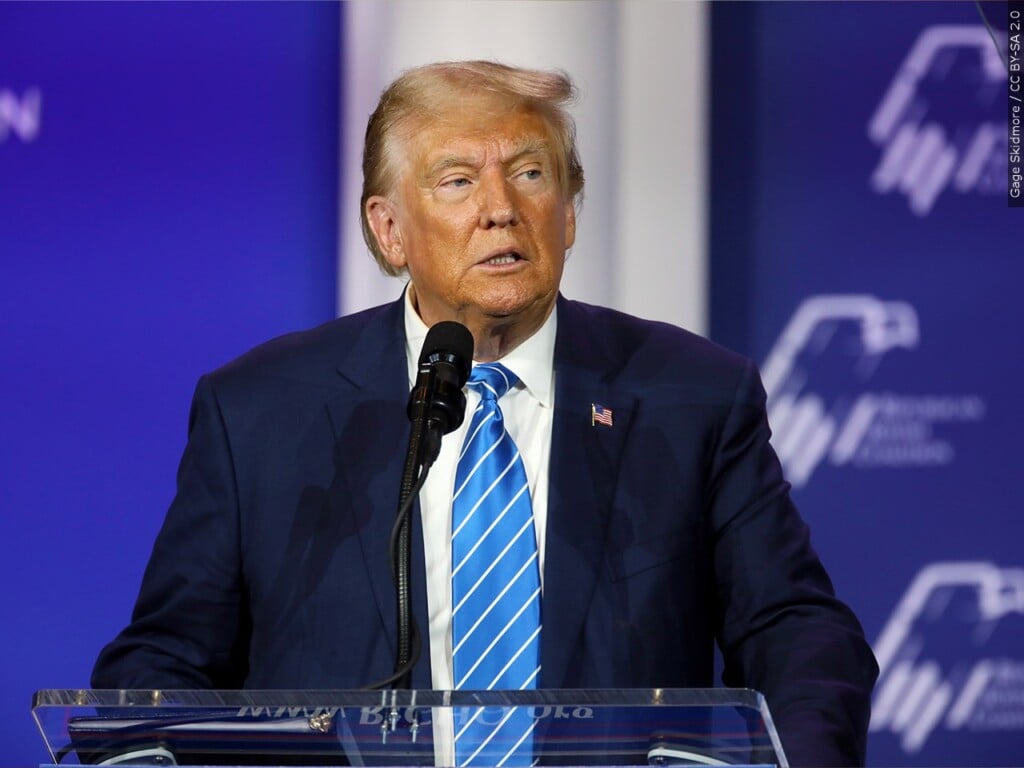
GA Gov. Brian Kemp (MGN)
Georgia Gov. Brian Kemp has signed his final amended state budget, approving $2 billion in income and property tax relief on Tuesday.
The signing took place at the North Wings Steps of the State Capitol on Tuesday afternoon. Joining the governor were First Lady Marty Kemp, Lt. Gov. Burt Jones, House Speaker Jon Burns, and other lawmakers.
Last week, the Georgia House of Representatives approved House Bill 973, the amended Fiscal Year 2026 Budget, sending it to Kemp’s desk.
Writing on Twitter, Kemp said that the budget would “return roughly $2 billion to Georgia taxpayers and make historic investments in transportation, mental health services, and public safety.”
The budget includes many items that the governor pushed for during his last term in office, though some lawmakers cut down to smaller payments.
It includes spending $1.17 billion from the state’s budget surplus for income tax rebates. The rebates would amount to $250 for single filers and $500 for married couples and families. Kemp had highlighted the rebates during his final State of the State address in January.
“We must continue doing everything in our power to allow the hardworking men and women of our state to keep more of their hard-earned money in their pocket in the years to come,” Kemp said. “Because as I’ve said before: that’s your money – not the government’s.”
Also included is a Homeowner Tax Relief Grant, which would save homeowners an estimated $500 on their 2026 property taxes.
Other items included include another one-time payment to teachers, staff, and other university and state employees, and an endowment for a need-based scholarship program known as Georgia DREAMS.
Another issue Kemp has highlighted in his final year in office is a proposed expansion of Interstate 75’s express lanes in Henry County, one of metro Atlanta’s worst traffic chokepoints. While funding was slightly reduced for the project, lawmakers approved an investment of $1.68 billion.