Ukraine’s Zelenskyy seeks European solidarity as Trump accuses him of not reading peace proposal

Volodymyr Zelenskyy | Courtesy: MGN
Ukraine’s president was likely to look for a strong show of support from his European partners on Monday after being admonished by President Trump, who accused him of not reading a White House-authored proposal to end Russia’s ongoing war on his country.
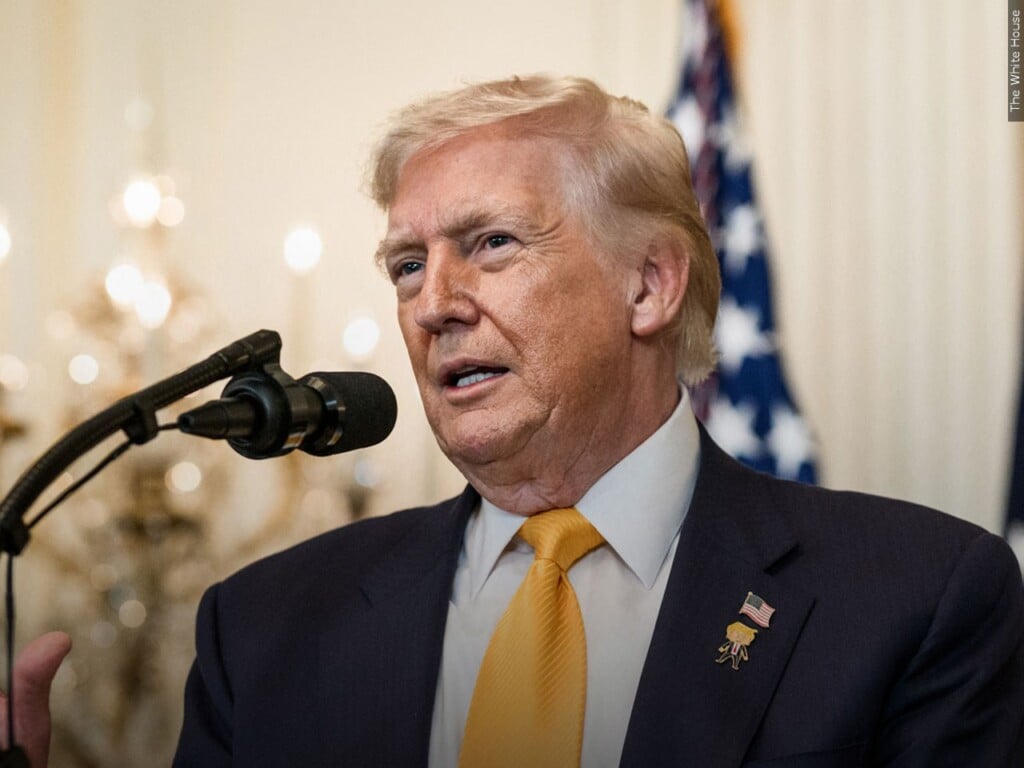
Speaking Sunday evening to reporters on the red carpet before the Kennedy Center Honors ceremony, Mr. Trump said he was disappointed in President Volodymyr Zelenskyy’s response to the plan to end the nearly-four-year Russian invasion, while claiming Russia had backed the proposal.
“I’m a little bit disappointed that President Zelenskyy hasn’t yet read the proposal, that was as of a few hours ago,” Mr. Trump said, adding: “His people love it. But he hasn’t — Russia’s fine with it. Russia is, I believe, fine with it, but I’m not sure that Zelenskyy’s fine with it.”
Zelenskyy has not made any public comments about Mr. Trump’s remarks. CBS News has reached out to Zelenskyy’s team for comment.
That assessment by Mr. Trump came despite a top Kremlin official telling journalists after talks last week in Moscow, between senior White House envoys and Vladimir Putin and his top aides, that they were, “no closer to resolving the crisis in Ukraine.”
Mr. Trump’s son-in-law Jared Kushner and U.S. Special Envoy Steve Witkoff then held meetings over the weekend in Florida with Ukrainian representatives. They said in a joint statement that “both parties agreed that real progress toward any agreement depends on Russia’s readiness to show serious commitment to long-term peace, including steps toward de-escalation and cessation of killings.”
Mr. Trump spoke on Sunday just hours before Zelenskyy met in London with the leaders of the U.K., France and Germany.
The show of European unity was expected to see Zelenskyy continue his delicate diplomatic tightrope walk. He is embracing continued negotiations as he tries to keep Mr. Trump on his side and maintain critical U.S. intelligence and military support. He is also resisting White House pressure to accept a ceasefire deal that both Zelenskyy and his European backers say favors Russia.
Zelenskyy previously said “the main problem” with the proposal was that it would legally recognize “stolen” territory occupied by Russian forces during the invasion, which European leaders have warned would set a dangerous precedent.
Ukraine’s leader will be keen to show he still has strong, unanimous backing from his European partners as negotiations continue over the still-ambiguous details of the U.S-brokered proposal.
In addition to the impasse over Ukraine agreeing to formally cede territory to Russia, other sticking points in the talks include measures to ensure that Ukraine’s security is guaranteed in the future, because of concerns Russia could try to invade again.
The priorities for Ukraine and its European backers — to effectively undermine any ceasefire deal that Russia would legitimately be able to call a victory — appear to be at odds with some very basic tenets of White House policy, meanwhile.
On Friday, the Trump administration published a broad new National Security Strategy document stating, among other things, that the U.S. wants to improve relations with Moscow.
Kremlin spokesman Dmitry Peskov said the document spelling out the Trump administration’s core foreign policy objectives “absolutely corresponds to our vision.”
Russia has sought for years to drive a wedge between the U.S. and its NATO allies, and particularly between Washington and Ukraine’s main backers on the continent.
“If we read closely the part about Ukraine, we can understand why Moscow shares this vision,” European Council President Antonio Costa said Monday. “The objective in this strategy is not a fair and durable peace. It’s only [about] the end of hostilities [in Ukraine] and the stability of relations with Russia.”
“Everyone wants stable relations with Russia,” Costa added, but “we can’t have stable relations with Russia when Russia remains a threat to our security.”